

In today’s digital landscape, influencer marketing has become an indispensable tool for brands seeking to expand their reach and connect with their target audience. This comprehensive guide, “The Ultimate Guide to Influencer Collaboration: Strategies for Success,” delves into the intricacies of influencer collaborations, providing actionable strategies for maximizing your return on investment. Whether you are a seasoned marketer or new to the world of influencer marketing, this guide will equip you with the knowledge and tools necessary to navigate the complexities of successful influencer collaborations and achieve your marketing objectives.
From identifying the right influencers for your brand to crafting compelling campaigns and measuring success, this guide covers every aspect of the influencer collaboration process. Learn how to develop strategies for effective communication, negotiation, and long-term partnership building. Discover best practices for crafting authentic and engaging content that resonates with your target audience. This ultimate guide will empower you to harness the power of influencer collaborations and drive significant growth for your brand.
Identifying the Right Influencers for Your Brand
Choosing the right influencers is crucial for a successful campaign. Relevance is key. Look for influencers whose audience aligns with your target demographic. An influencer with a million followers won’t help if none of them are interested in your product.
Engagement is another vital metric. High follower counts are less meaningful than an active, engaged audience. Look for influencers with consistent likes, comments, and shares on their posts. This indicates a genuine connection with their followers.
Consider the influencer’s content quality. Does their content resonate with your brand’s image and values? A mismatch can damage your brand reputation. Look for influencers whose aesthetic and messaging complement your own.
Finally, research the influencer’s past collaborations. Have they worked with similar brands? Were those campaigns successful? This research can provide valuable insights into their professionalism and effectiveness.
Reaching Out and Building Relationships with Influencers
Once you’ve identified potential influencers, the next crucial step is establishing contact and nurturing genuine relationships. A personalized approach is key. Avoid generic, mass-sent templates. Instead, demonstrate that you’ve researched their work and understand their audience.
Begin by engaging with their content. Like, comment, and share their posts to get on their radar. Then, reach out through their preferred method of contact, often mentioned in their bio or website. Introduce yourself and your brand concisely, highlighting shared values or interests. Clearly explain why you believe a collaboration would be mutually beneficial.
Building a relationship takes time and effort. Don’t expect an immediate commitment. Continue engaging with their content and participate in relevant conversations within their community. Offer value beyond a simple collaboration proposal, such as sharing their content with your network or providing feedback on their work. This demonstrates genuine interest and builds a foundation for a strong partnership.
Developing a Collaborative Strategy with Clear Goals
A successful influencer collaboration hinges on a well-defined strategy with clear, measurable goals. Start by identifying what you want to achieve through this partnership. Are you aiming to increase brand awareness, drive sales, generate leads, or launch a new product?
Once you have established your objectives, determine the key performance indicators (KPIs) that will measure the success of your campaign. These could include reach, engagement, website traffic, or conversions. Clearly communicate these goals and KPIs to the influencer from the outset.
Collaboratively develop a content strategy that aligns with your brand messaging and the influencer’s style. Decide on the types of content to be created, such as posts, stories, videos, or live streams. Establish a timeline for content creation and posting to maintain momentum and consistency.
A clearly defined scope of work ensures both parties are on the same page and working towards a common goal. This includes specifying deliverables, timelines, and approval processes. A documented strategy promotes transparency and helps mitigate potential misunderstandings.
Creating Engaging Content with Influencers
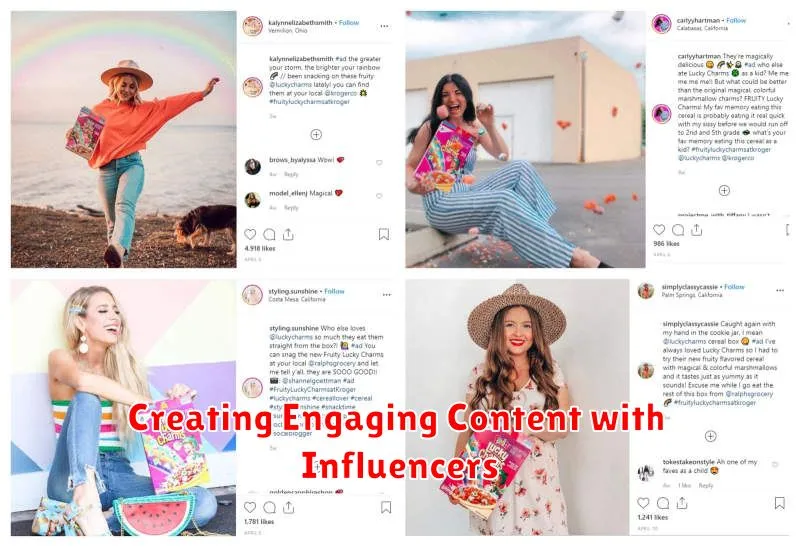
Co-creating compelling content is at the heart of a successful influencer collaboration. Authenticity is key. Content should align with both the influencer’s established style and your brand’s messaging.
Brainstorming sessions with the influencer are crucial. This collaborative approach ensures the content resonates with their audience and achieves your marketing objectives. Clearly define the campaign’s core message and allow the influencer creative freedom within those parameters.
Consider various content formats. High-quality videos often perform well, but don’t overlook the power of engaging stories, captivating images, and even well-written captions. Diversifying content keeps the audience interested and caters to different consumption preferences.
A clear call to action is essential. Guide the audience on the desired next step, whether it’s visiting your website, using a specific hashtag, or participating in a contest. Measurable results stem from clear directives.
Negotiating Contracts and Payment with Influencers
A well-defined contract is crucial for a successful influencer collaboration. It protects both your brand and the influencer, ensuring clear expectations and deliverables.
Payment negotiation should be a transparent process. Discuss payment options upfront. Common methods include flat fees, performance-based payment (e.g., cost-per-click, cost-per-acquisition), or a combination of both. The agreed-upon payment should reflect the influencer’s reach, engagement, and the scope of the campaign.
Key contract elements include the scope of work (deliverables, timelines, usage rights), payment terms (amount, schedule), and exclusivity clauses (if any). Consider including provisions for content revisions and campaign modifications.
Consult with legal counsel to ensure your contract is legally sound and protects your brand’s interests. A clear contract sets the foundation for a successful and mutually beneficial influencer partnership.
Measuring the ROI of Your Influencer Marketing Campaigns
Measuring the return on investment (ROI) of your influencer marketing campaigns is crucial for understanding their effectiveness and optimizing future strategies. While not always straightforward, several key metrics can help quantify the impact of your collaborations.
Key Performance Indicators (KPIs) should be aligned with your campaign goals. If your objective is brand awareness, track metrics like reach, impressions, and social media mentions. For driving sales, focus on website traffic, conversion rates, and promo code usage.
Trackable Links and Unique Promo Codes are valuable tools for attributing sales directly to specific influencers. These provide quantifiable data demonstrating the influence of the partnership on consumer purchasing behavior.
Engagement Metrics such as likes, comments, and shares offer insights into audience response and content effectiveness. While not directly tied to sales, high engagement suggests resonating content and a strong influencer-audience connection.
Calculating ROI often involves comparing the value generated (sales, leads, etc.) against the cost of the campaign. This may involve assigning a monetary value to brand awareness increases, a more complex yet important aspect of measuring campaign success.
Best Practices for Long-Term Influencer Partnerships
Cultivating long-term relationships with influencers can yield significant benefits for your brand. These partnerships often lead to more authentic content and deeper audience connection.
Open Communication is key. Regularly check in with your influencer partners, offer feedback, and solicit their input. This fosters a collaborative environment built on mutual respect and understanding.
Flexibility is essential. Be adaptable to the influencer’s creative process and allow them room to showcase your brand in an authentic way. Rigid guidelines can stifle creativity and hinder the partnership’s organic growth.
Provide Value Beyond Monetary Compensation. Consider offering exclusive access to products, early information on launches, or opportunities for co-creation. This demonstrates your commitment to the partnership and strengthens the bond.
Mutual Growth and Support are paramount. Actively promote the influencer’s content and celebrate their achievements. A supportive relationship encourages long-term collaboration and fosters a sense of shared success.
Common Mistakes to Avoid in Influencer Collaborations
Failing to Vet Influencers Thoroughly: One of the biggest mistakes is neglecting proper research. Don’t solely rely on follower count. Dive deep into their audience demographics, engagement rates, and past collaborations to ensure alignment with your brand.
Setting Unclear Expectations: Ambiguity breeds disappointment. Clearly outline campaign goals, deliverables, timelines, and content guidelines upfront to avoid misunderstandings and ensure a smooth collaboration.
Micromanaging the Creative Process: Influencers are creative experts. While providing guidelines is important, allow them creative freedom to produce authentic content that resonates with their audience. Excessive control can stifle their creativity and negatively impact campaign performance.
Ignoring FTC Guidelines: Transparency is crucial. Ensure all sponsored content is clearly disclosed according to Federal Trade Commission (FTC) guidelines to maintain trust and avoid legal repercussions. Proper disclosure protects both your brand and the influencer.
Neglecting Post-Campaign Analysis: Measuring the success of your campaign is essential. Track key metrics such as reach, engagement, website traffic, and conversions to assess the ROI and inform future influencer collaborations.
