
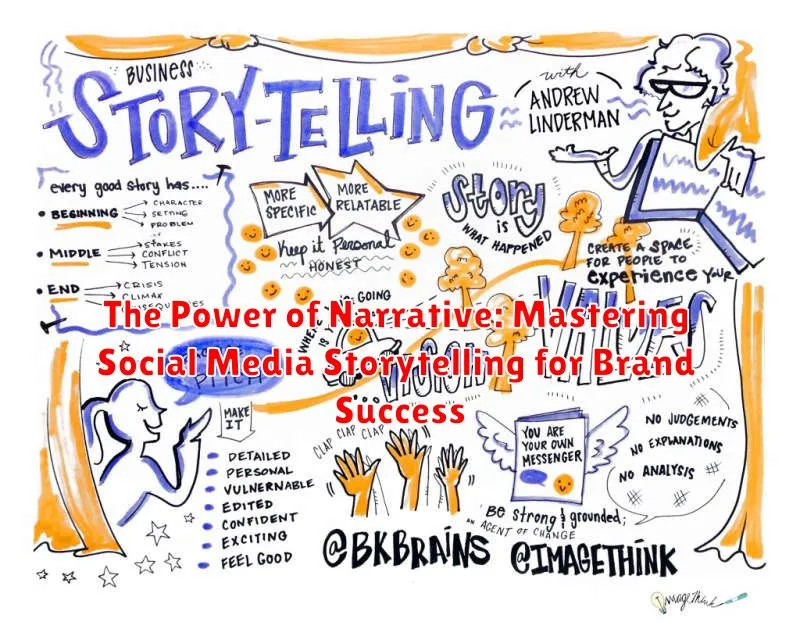
In today’s digital landscape, social media has become an indispensable tool for businesses seeking to connect with their target audience. However, simply having a presence is no longer sufficient. To truly thrive, brands must harness the power of narrative and master the art of social media storytelling. This involves crafting compelling stories that resonate with users, fostering emotional connections, and ultimately driving brand success. Effective storytelling can transform passive scrollers into engaged followers, loyal customers, and brand advocates. This article will explore the key strategies and principles for leveraging narrative on social media to achieve tangible business outcomes.
From establishing a brand voice and identifying your target audience to crafting compelling narratives and measuring your storytelling success, we’ll delve into the essential elements of a winning social media storytelling strategy. Discover how to create content that captivates, converts, and cultivates a thriving online community. Unlock the power of narrative and transform your social media presence from a platform for broadcasting into a powerful engine for brand success. By mastering the art of social media storytelling, you can build stronger connections, enhance brand loyalty, and drive meaningful engagement.
What is Social Media Storytelling?
Social media storytelling is the art of using narratives to connect with your audience on social platforms. It’s about moving beyond simply broadcasting marketing messages and instead, creating content that resonates on a deeper, more emotional level. Storytelling transforms your brand from a faceless entity into a relatable character with a personality, values, and a purpose.
Instead of focusing solely on product features or service benefits, social media storytelling emphasizes the human experience associated with your brand. It’s about sharing authentic stories that evoke emotions, spark conversations, and build meaningful relationships with your target audience. This involves crafting narratives that align with your brand identity and resonate with your audience’s interests and values.
Effective social media storytelling requires a strategic approach. It’s about understanding your audience, crafting compelling narratives, and choosing the right platforms to share your story. Ultimately, the goal is to create a strong emotional connection with your audience, fostering brand loyalty and driving meaningful engagement.
Why is Storytelling Important for Brands?
In today’s crowded digital landscape, storytelling offers a powerful way for brands to connect with their audience on a deeper level. It moves beyond simple product promotion and fosters genuine relationships built on shared values and emotional resonance.
Storytelling allows brands to humanize themselves. By sharing narratives that reflect their mission, vision, and values, brands become relatable and approachable. This builds trust and strengthens the brand-consumer connection.
Effective storytelling makes brands memorable. Stories are easier to recall than facts and figures, allowing your brand message to stick in the minds of your target audience long after they’ve encountered your content.
Finally, storytelling drives action. When consumers connect with a brand’s story, they are more likely to engage, share content, and ultimately make a purchase. A compelling narrative can inspire loyalty and advocacy, turning customers into brand ambassadors.
Identifying Your Target Audience and Crafting Your Brand Story
Before launching into social media storytelling, it’s crucial to identify your target audience. Understanding their demographics, interests, needs, and online behavior is paramount. This knowledge informs every aspect of your brand story, ensuring it resonates and connects with the right people.
Crafting your brand story involves defining your core values, mission, and unique selling proposition. What makes your brand special? What problem do you solve for your customers? Your brand story should be authentic and relatable, reflecting your brand’s personality and connecting with your audience on an emotional level.
Consider creating a brand persona to represent your ideal customer. Give this persona a name, age, occupation, interests, and pain points. This exercise helps visualize your target audience and tailor your brand story to their specific needs and aspirations.
Clearly define your brand voice and messaging. Is it formal or informal? Humorous or serious? Consistency in tone and style across all platforms is essential for building brand recognition.
Choosing the Right Social Media Platforms for Your Story
Selecting the right social media platforms is crucial for effective storytelling. Each platform has a unique audience and content style. Aligning your brand story with the platform’s strengths maximizes your reach and impact.
Consider your target audience demographics. Where do they spend their time online? For example, a visually-driven brand targeting a younger demographic might prioritize Instagram or TikTok. A B2B company, however, might find LinkedIn more effective.
Platform features also play a significant role. Instagram excels with visual storytelling, while Twitter is ideal for short, engaging updates and real-time conversations. Facebook offers a diverse range of content formats and robust targeting options. Evaluate these features to determine which best suits your narrative style and marketing objectives.
Creating Compelling Content that Resonates with Your Audience
Crafting compelling content requires a deep understanding of your audience’s needs, interests, and online behavior. Relevance is key. Ask yourself what problems your product or service solves for them, and how your story can address those pain points in a meaningful way.
Authenticity is crucial. Strive for genuine connection by showcasing the human side of your brand. Share real stories, employee spotlights, or customer testimonials that demonstrate your values and build trust.
Keep your content concise and engaging. Attention spans are short, so prioritize clarity and impactful messaging. Use strong verbs, vivid imagery, and a conversational tone to capture and maintain interest.
Variety is also essential. Experiment with different content formats, such as short-form videos, behind-the-scenes glimpses, interactive polls, and user-generated content campaigns to cater to diverse preferences and keep your feed fresh.
Finally, don’t forget the call to action. Encourage interaction by posing questions, inviting comments, or prompting shares. Guide your audience towards desired actions, whether it’s visiting your website, signing up for a newsletter, or making a purchase.
Using Visuals, Videos, and Interactive Elements to Enhance Your Story
Visuals, videos, and interactive elements play a crucial role in amplifying your brand story on social media. They capture attention in a fast-paced online environment and convey complex information quickly and effectively.
Visuals, such as high-quality images and infographics, can communicate your brand’s personality and values at a glance. Ensure your visuals are consistent with your brand’s aesthetic and messaging.
Videos offer a dynamic way to connect with your audience. Short, engaging videos can showcase product demonstrations, behind-the-scenes glimpses, or customer testimonials, fostering deeper engagement.
Interactive elements encourage active participation from your followers. Polls, quizzes, Q&A sessions, and live streams create a two-way conversation, building a stronger connection with your audience and providing valuable insights into their preferences.
By strategically incorporating these elements, your brand story becomes more immersive and memorable, fostering deeper connections with your target audience and driving meaningful results.
Building an Engaged Community Around Your Brand Story

A compelling brand story is only as powerful as the community it cultivates. Active engagement transforms passive listeners into brand advocates. This involves fostering a sense of belonging and encouraging two-way communication.
Respond to comments and messages promptly, demonstrating that you value your audience’s input. Ask questions, run polls, and host contests to spark conversation and gather valuable feedback. Create a dedicated hashtag to unify conversations surrounding your brand and make it easier for followers to connect with each other.
Feature user-generated content to showcase your community’s creativity and build stronger relationships. Highlighting customer stories builds trust and provides social proof. Remember, building a thriving community takes time and consistent effort. Nurturing these connections is crucial for long-term brand loyalty and advocacy.
Measuring the Impact of Your Social Media Storytelling
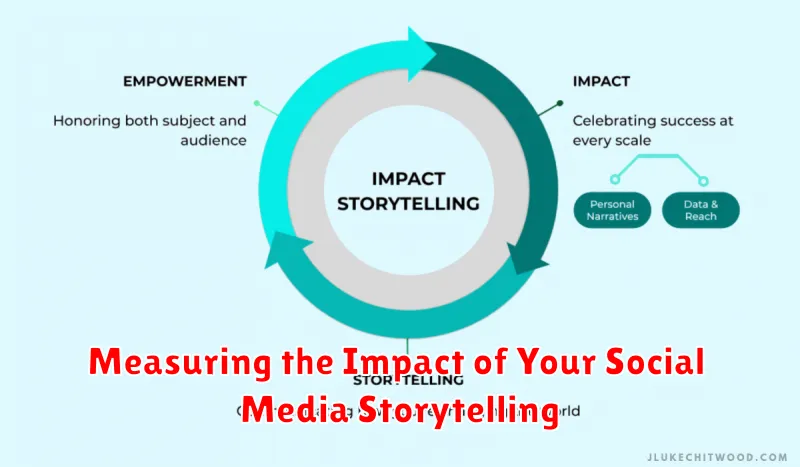
Measuring the effectiveness of your social media storytelling is crucial for understanding what resonates with your audience and what needs adjustment. It helps optimize your content strategy and demonstrate the value of your efforts.
Begin by defining your key performance indicators (KPIs). These metrics should align with your overall business objectives and storytelling goals. Are you aiming for increased brand awareness, website traffic, lead generation, or sales conversions? Selecting the right KPIs will guide your measurement process.
Common social media metrics to consider include reach, engagement, website clicks, and conversions. Reach measures how many users saw your content. Engagement looks at likes, comments, shares, and saves. Website clicks indicate how effectively your stories are driving traffic to your website. Finally, conversions measure actions taken on your website, such as filling out a form or making a purchase.
Utilize analytics tools provided by the social media platforms themselves or third-party social media management platforms. These tools can provide in-depth data on your content performance, audience demographics, and engagement patterns. Regularly analyze this data to identify trends, understand what works, and refine your storytelling approach.
